Temporary Fencing and Controlled Site Access

Coordinating Perimeter Control, Worker Routes, and Sanitation Service
Temporary fencing can protect sanitation equipment from unauthorized use, but poor fence planning can also make restrooms inaccessible to workers or impossible to service. The fence plan and sanitation plan should be developed together.
Why Construction Sites Use Temporary Fencing
Temporary fencing defines the work boundary, discourages casual entry, protects materials, and organizes vehicle and pedestrian access. It can also keep public users away from portable toilets intended for the workforce.
The exact fence system depends on project duration, ground surface, security objective, wind exposure, gates, and local requirements.
Placing Restrooms Inside the Controlled Perimeter
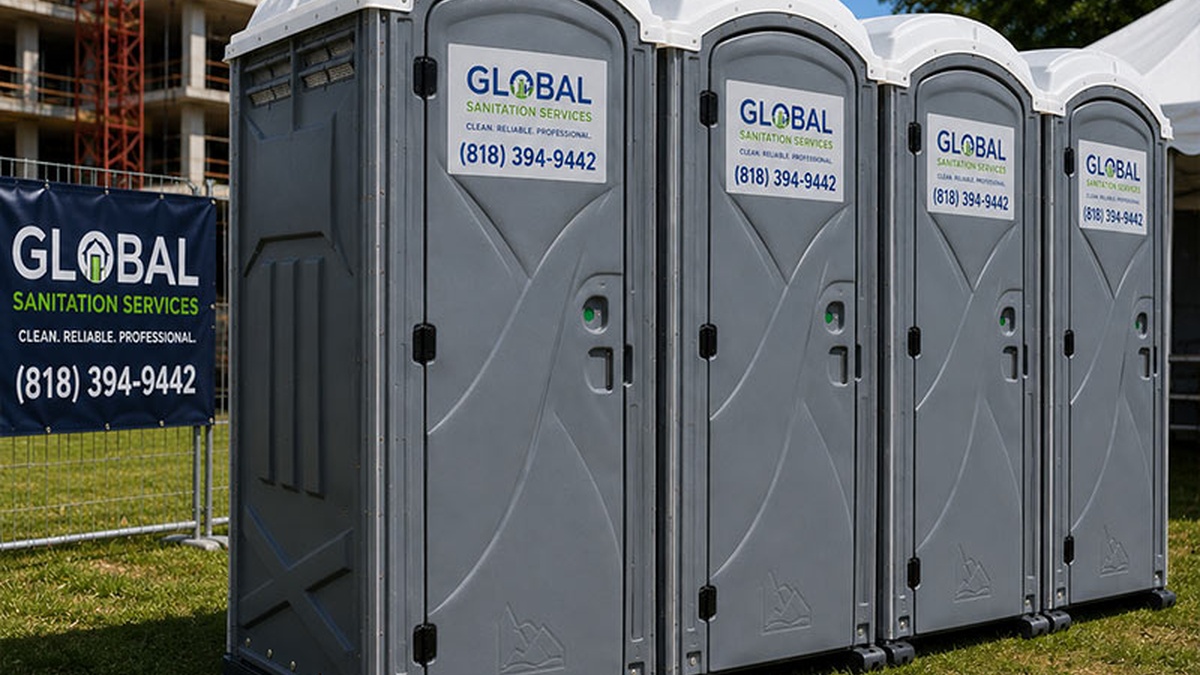
On urban or public-adjacent sites, positioning restrooms inside the secured perimeter can reduce unauthorized use, vandalism, and supply depletion.
Workers still need a convenient route to the facilities, so the restroom area should not be buried behind storage, equipment, or restricted operations.
Gate and Service-Truck Planning
A unit behind a locked gate is only serviceable if the provider can get in. Confirm gate width, hours, lock procedures, turning room, and the site contact responsible for access.
Service routes should remain clear on scheduled days. Dumpsters, parked vehicles, concrete pumps, cranes, and deliveries often block gates unexpectedly.
Pedestrian and Vehicle Separation
Restroom placement should reduce the need for workers to cross haul roads or active equipment lanes. Fencing can help define pedestrian paths, but those paths must remain practical as the site changes.
Privacy Screen and Wind
Privacy or windscreen can improve appearance and reduce visibility into the site, but it increases wind load on the fence. Bracing, ballast, attachment methods, and weather monitoring should match the fencing system and local conditions.
Changing Perimeters
Fence lines often move during demolition, excavation, building expansion, paving, and landscaping. Every perimeter change should include a quick sanitation review: can workers still reach the facilities, and can the provider still service them?
Emergency and Fire Access
Temporary fencing, gates, and portable restrooms must not obstruct required emergency routes, fire department access, or egress paths. Coordinate the sanitation layout with the project safety and logistics plans.
Check Both Sides of a Gate Change
Before a perimeter change, walk the worker route and the service-truck route separately. Record the new gate, opening hours and contact, then have the provider confirm access before the next visit. Keep access credentials within the agreed operational channel rather than on public signs.
Coordinate temporary fencing with construction site porta potty rentals on the same marked logistics plan. Have the fence provider review screening and stabilization; do not attach restrooms to fence panels or improvise ballast to solve a wind problem.
Request a project quote with the fence layout, available gate opening and placement area. Flag pedestrian crossings, emergency routes and planned gate moves so security improvements do not remove restroom or servicing access.
Common Planning Mistakes
- Designing the fence layout without considering how workers will reach restrooms or how service vehicles will access them.
- Placing restrooms inside the perimeter but behind stored materials, equipment, or restricted work zones that make worker access impractical.
- Failing to provide the sanitation provider with reliable gate access, lock procedures, operating hours, turning space, and a current site contact.
- Requiring workers to cross active haul roads or equipment lanes to reach restroom facilities when a safer placement or pedestrian route is practical.
- Adding privacy or windscreen without accounting for the additional wind load, stabilization requirements, and changing weather conditions.
Field Review Checklist
- Confirm the current fence layout still supports site security while maintaining practical worker access to sanitation facilities.
- Check that restrooms inside the controlled perimeter remain visible, reachable, and clear of storage, equipment, and restricted operations.
- Verify gate width, access hours, lock procedures, turning room, and the current site contact before the next scheduled service.
- Walk the worker route to the restrooms and confirm it minimizes conflicts with haul roads, deliveries, and active equipment lanes.
- Inspect screening, bracing, ballast, and fence stability after layout changes or significant weather.
- Reassess worker access and service-truck access whenever fence lines, gates, or construction zones move.
Frequently Asked Questions
Should portable toilets always be inside the fence?
Not always, but inside placement can reduce public use and vandalism when the site is adjacent to public areas.
What is the most common fencing-related service problem?
Locked or blocked gates that prevent the service truck from reaching the units.
Can privacy screen create problems?
Yes. It increases wind load and should be installed with appropriate stabilization and monitoring.
Can fencing be moved during the project?
Yes, but sanitation access should be reviewed before the move.
Should restrooms be placed next to vehicle gates?
Only if worker and service access can be maintained safely without creating a traffic conflict.
Key Takeaways
- Plan fencing and sanitation as one logistics system.
- Protect workforce facilities from unauthorized public use where needed.
- Keep gates and service routes clear.
- Account for wind when using screening.
- Review restroom access whenever the perimeter changes.