How Modern Portable Toilets Work

Inside Today’s Portable Restroom
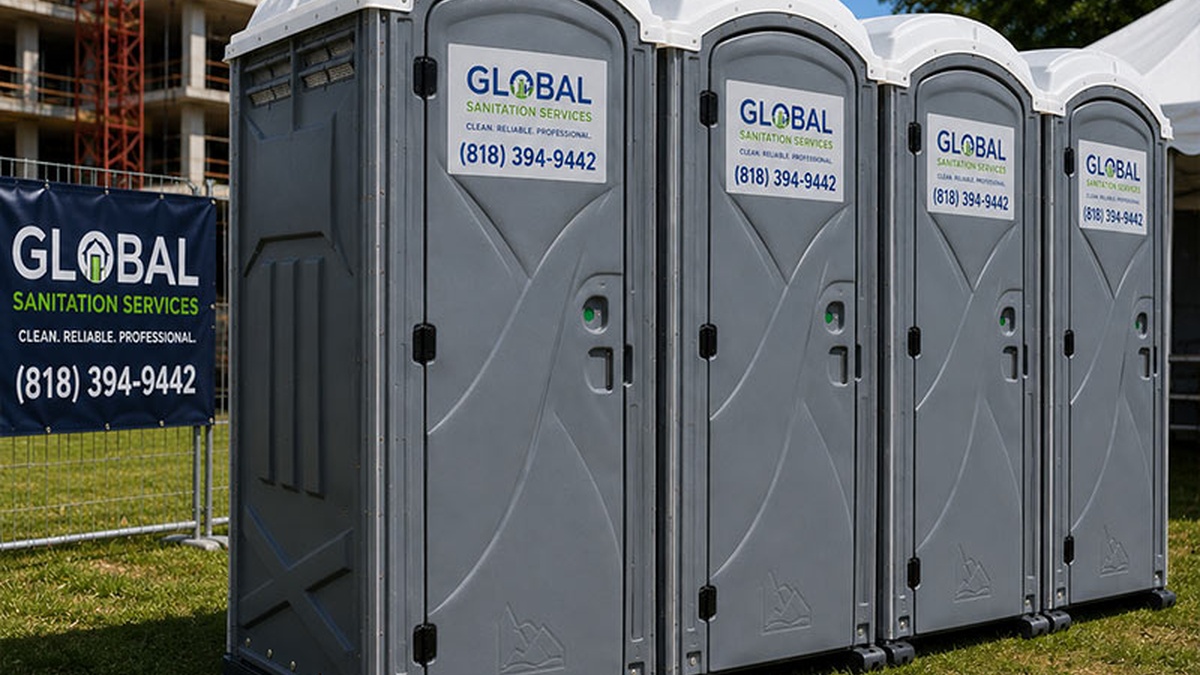
At first glance, a portable toilet appears simple: an enclosed unit with a toilet seat and a holding tank. In practice, modern portable restrooms are purpose-built sanitation systems designed to operate without permanent plumbing while remaining practical to transport, service, clean, and maintain.
Understanding how these units work helps contractors, event planners, facility managers, production teams, and other customers make better decisions about equipment selection, placement, servicing frequency, and overall site planning.
The Basic Operating Principle
A standard portable toilet is self-contained. It does not normally require a sewer connection, water line, or electrical service. Waste enters an onboard holding tank beneath the toilet seat, where it remains until a service technician removes it using specialized pumping equipment.
Between service visits, ventilation, waste-treatment solution, interior design, and routine supply replenishment help keep the unit functional and usable. During servicing, the holding tank is pumped, the unit is cleaned and sanitized, supplies are replenished, treatment solution is added as appropriate, and the equipment is inspected for damage or maintenance needs.
The Exterior Shell
Most modern portable restrooms use durable molded plastic, commonly high-density polyethylene, for the exterior walls and major structural components. This type of construction is well suited to temporary sanitation because it is lightweight relative to older materials, resistant to corrosion, weather-tolerant, and comparatively easy to clean.
The shell also gives the unit enough flexibility and durability to withstand frequent transportation and outdoor use. The exact dimensions and construction vary by manufacturer, but modern designs are engineered around a balance of strength, serviceability, interior space, and transport efficiency.
The Roof and Natural Light
Many portable toilet roofs are made with translucent material that allows daylight into the interior. This reduces the need for electrical lighting during daytime use while making the unit feel brighter and easier to navigate.
Premium units and restroom trailers may use dedicated interior lighting, but standard portable toilets typically rely on daylight and the roof design for interior illumination.
The Holding Tank
The holding tank is the core functional component of a portable toilet. It stores waste until the next scheduled service.
Tank capacity varies by model. Rather than assuming that a specific tank size will support a fixed number of people, planners should consider expected usage, project duration, crew or attendance levels, and servicing frequency together. A unit receiving heavy daily use may require more frequent service even if its physical holding capacity has not yet been reached.
The tank is designed to contain waste safely within the unit and allow service technicians to remove the contents efficiently through a pumping process.
Waste-Treatment Solution
Portable restroom holding tanks commonly use specially formulated treatment solution to help manage odors and maintain the tank between service visits. Formulations vary by supplier and service provider.
Treatment products may support odor control and help maintain more manageable tank conditions, but they do not eliminate the need for regular servicing. The most important factors in restroom quality remain appropriate unit quantities, responsible usage, professional cleaning, and a service schedule matched to demand.
The Ventilation System
Ventilation is an important but often overlooked feature of a portable toilet.
Modern units are designed to encourage airflow through vents and, in many models, a vent pipe connected to the holding tank. Proper airflow helps move odors away from the occupied interior and improves user comfort.
Ventilation works best when the unit is positioned correctly and maintained properly. Excessive usage, blocked vents, high temperatures, or overdue servicing can reduce the effectiveness of odor management.
The Toilet Seat and Bowl Area
In a standard unit, the toilet seat is positioned directly above the holding tank or a molded waste-entry area connected to it. Unlike a conventional indoor toilet, there is no household-style flush using a municipal water supply.
Deluxe and flushable portable restrooms operate differently. Depending on the model, they may use freshwater reservoirs and foot-operated pumping systems to rinse the bowl and move waste into a concealed holding area.
Luxury restroom trailers go further, using plumbing systems that more closely resemble permanent commercial restrooms.
The Urinal
Many standard portable toilets include an integrated urinal. This helps separate some liquid waste from the main seat area and can improve convenience, especially on busy job sites and at high-attendance events.
Urinal design varies by unit, but it typically drains into the same overall waste-holding system.
Door, Lock, and Occupancy Indicator
The door system provides privacy while also supporting safe, frequent use. Modern units commonly include an interior latch and an exterior occupied-vacant indicator.
Because portable toilets may be opened hundreds of times during an event or used daily for months on a construction project, hinges, locks, handles, and door springs are important maintenance points. A professional service provider should inspect these components and address problems before they affect usability.
Non-Slip Flooring and Interior Surfaces
Portable restrooms are designed with washable interior surfaces and flooring suitable for repeated cleaning. Many use textured or non-slip floor designs to provide better footing.
Keeping the floor reasonably level during placement is important. Uneven ground can make a unit uncomfortable to use, interfere with door operation, and increase the risk of movement or instability.
Toilet Paper and Hand Sanitizer
Most standard rental units are supplied with toilet paper, and many include a hand sanitizer dispenser. These supplies must be replenished as part of routine servicing.
For projects or events that require soap-and-water handwashing, a separate portable handwashing station may be added. These stations typically contain onboard freshwater and wastewater tanks and can operate without permanent plumbing.
How a Portable Toilet Is Serviced
The service process is what keeps a long-term rental functioning properly. Although procedures differ among providers and equipment types, a typical service visit may include:
- Waste removal from the holding tank
- Cleaning and sanitizing interior contact surfaces
- Replenishing toilet paper
- Refilling hand sanitizer when provided
- Adding appropriate tank treatment solution
- Inspecting the door, lock, venting, floor, and other components
- Checking the unit for damage or misuse
The technician then leaves the unit ready for continued use until the next scheduled service.
Why Service Frequency Matters
Portable toilets do not stay clean simply because they are well designed. Equipment quality and servicing work together.
A lightly used unit at a small project may perform well on a standard service schedule, while the same unit at a heavily attended event could require much more frequent attention. This is why rental planning should be based on expected demand rather than relying on a single servicing rule for every situation.
Factors influencing service frequency include the number of users, length of the workday or event, rental duration, weather, food and beverage service, alcohol consumption, number of available units, and whether usage occurs across multiple shifts.
How Flushable Portable Toilets Work
Flushable portable toilets add a flushing mechanism to the basic portable restroom design. Depending on the model, that mechanism may use fresh water or a recirculating system. Many use a foot-operated pump so the user can rinse the bowl without touching a handle.
Waste is moved into a concealed holding area, creating an experience that feels closer to a permanent restroom. Some deluxe models also include an integrated sink with its own freshwater and wastewater capacity.
These units are often chosen for weddings, corporate events, VIP areas, and other settings where a more refined guest experience is desired.
How ADA-Accessible Units Differ
ADA-focused portable restrooms use a larger footprint and accessibility-oriented design. Depending on the model, features may include a wider entrance, low or level threshold, interior grab bars, more maneuvering space, and a layout designed to accommodate users with mobility devices.
Their sanitation system remains self-contained, but the physical configuration differs substantially from a standard unit.
How Luxury Restroom Trailers Work
Luxury restroom trailers represent the premium end of portable sanitation. Rather than a single molded enclosure, they contain multiple restroom fixtures inside a mobile trailer.
Depending on the model and setup, trailers may include flushing toilets, sinks with running water, hot water, mirrors, lighting, climate control, cabinetry, separate men’s and women’s areas, and upgraded interior finishes.
Some trailers can operate with onboard water and waste capacity, while others may require or benefit from external freshwater, wastewater, and electrical connections. Site access and utility planning are therefore especially important before delivery.
What Happens to the Waste After Servicing?
Waste collected from portable toilets is transported by the sanitation provider for handling and disposal through appropriate wastewater facilities and processes. Requirements vary by jurisdiction and operation, so professional providers follow applicable disposal and transportation practices rather than releasing waste at the job site or event.
This controlled service chain is one of the reasons portable toilets are practical for temporary use: the customer does not need to install permanent sewer infrastructure just to support a short-term project.
Common Misconceptions
Portable toilets are sometimes assumed to be inherently dirty or unpleasant. In reality, the user experience depends heavily on planning and service quality.
A professionally maintained unit that is appropriately sized for demand, placed on stable ground, stocked with supplies, ventilated properly, and serviced at the right frequency can provide dependable temporary restroom access for a wide range of environments.
Another misconception is that every portable toilet works exactly the same way. Standard units, flushable units, ADA-accessible models, high-rise construction units, and restroom trailers can have substantially different designs and operational requirements.
Why Understanding the System Helps Customers
Knowing how portable toilets work makes it easier to understand why certain planning questions matter.
If a site has too few units, holding tanks and supplies are used more quickly. If service trucks cannot reach the units, scheduled maintenance becomes difficult. If a trailer lacks the utilities required for its configuration, the equipment may not function as intended. If accessible units are placed behind curbs or across difficult terrain, their benefits can be undermined by poor site planning.
The equipment, service schedule, and site layout should therefore be planned as one system.
Key Takeaways
Modern portable toilets are self-contained sanitation systems built around a waste-holding tank, durable enclosure, ventilation, user fixtures, consumable supplies, and professional servicing. They operate without permanent sewer infrastructure, which allows them to be deployed quickly to construction sites, events, production locations, emergency operations, and other temporary environments.
Different equipment types add different capabilities. Flushable units add model-specific flushing systems, ADA-focused units provide accessibility-oriented layouts, handwashing stations add soap-and-water hygiene, and luxury restroom trailers provide amenities closer to permanent restrooms.
The quality of the user experience ultimately depends on both the equipment and the service plan supporting it.
Plan Your Sanitation Setup
Review our portable toilet placement guidance and servicing and cleaning standards as you develop your site plan. Contact Global Sanitation Services to discuss equipment, site access and a service schedule for your project or event.