What Is a Portable Toilet?

The Complete Beginner’s Guide
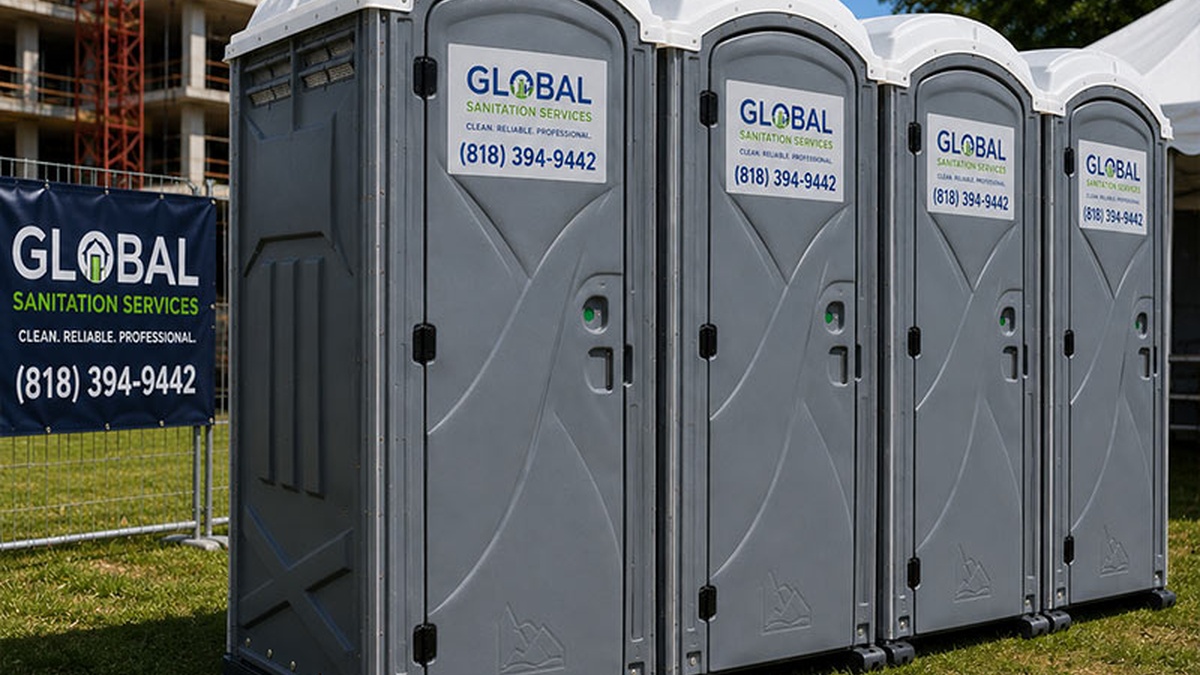
Portable toilets—often called porta potties, portable restrooms, portable sanitation units, or temporary toilets—are self-contained restroom facilities designed to provide safe and convenient sanitation wherever permanent plumbing is unavailable or impractical.
They are used across construction projects, outdoor festivals, sporting events, film productions, weddings, emergency response operations, residential renovations, and many other temporary environments.
At their core, portable toilets solve a simple but essential problem: providing hygienic restroom access where people need it most.
How Portable Toilets Differ From Permanent Restrooms
A permanent restroom is connected to building infrastructure such as water lines, sewer or septic systems, electrical service, and ventilation. A standard portable toilet operates independently. Waste is collected in an onboard holding tank, ventilation helps manage odors, and the unit is serviced by a professional sanitation provider.
This self-contained design allows portable toilets to be delivered quickly and positioned at locations where constructing permanent restroom infrastructure would be impractical, expensive, or unnecessary.
Where Portable Toilets Are Used
Portable restrooms support a wide range of temporary needs, including construction sites, weddings and private events, festivals and concerts, film and television productions, sporting events, government projects, emergency response operations, schools and churches, commercial projects, and residential renovations.
Types of Portable Restroom Solutions
Modern portable sanitation includes far more than one basic unit. Common options include standard portable toilets, deluxe and flushable units, ADA-accessible portable restrooms, high-rise units, luxury restroom trailers, and portable handwashing stations.
The correct option depends on the number of users, project duration, accessibility requirements, site conditions, guest expectations, servicing needs, and budget.
How Modern Portable Toilets Work
A standard portable toilet may contain a durable exterior shell, toilet seat, waste holding tank, ventilation system, urinal, toilet paper dispenser, hand sanitizer dispenser, door lock, occupancy indicator, and non-slip flooring.
Because the system does not require permanent utility connections, it can be deployed quickly and removed when the project or event is complete.
Why Portable Sanitation Matters
Portable sanitation is more than a convenience. Adequate restroom facilities can support worker productivity, improve guest satisfaction, help maintain cleaner sites, support public health, and contribute to applicable safety and accessibility planning.
For contractors, event organizers, municipalities, and production teams, restroom planning should be considered part of the project’s infrastructure—not an afterthought.
Choosing the Right Solution
Selecting the right portable sanitation solution begins with several practical questions: How many people will use the facilities? How long will the rental last? Is food or alcohol involved? Are accessible facilities needed? Can service vehicles reach the placement area? Will usage change during the project?
An experienced provider can use these details to recommend the appropriate combination of equipment and servicing.
Key Takeaways
Portable toilets are self-contained temporary restroom facilities designed to provide reliable sanitation where permanent plumbing is unavailable or insufficient. Modern equipment is durable, serviceable, and available in configurations ranging from basic jobsite units to premium luxury restroom trailers.
Thoughtful planning helps ensure the right number and type of facilities are available, positioned appropriately, and serviced on a schedule that supports the people using them.
Plan Your Portable Restroom Rental
Review construction-site restroom capacity if you are planning for a crew. For equipment options and a service plan, contact Global Sanitation Services with your location, dates and estimated number of users.