Emergency and Utility-Outage Sanitation for Contractors

Restoring Restroom and Hygiene Capacity When Permanent Systems Fail
Sewer breaks, water shutdowns, plumbing failures, damaged buildings, natural disasters, and emergency renovations can make permanent restrooms unavailable with little notice. Contractors need a rapid-response sanitation framework that begins with deployment and then evolves as the real outage becomes clear.
Rapid Situation Assessment
Determine who needs facilities, the largest simultaneous population, operating hours, expected outage duration, accessibility needs, available outdoor space, delivery access, and which utilities remain functional.
Separate contractor workforce needs from occupants, customers, residents, students, or public users who may remain on the property.
Self-Contained Portable Toilets
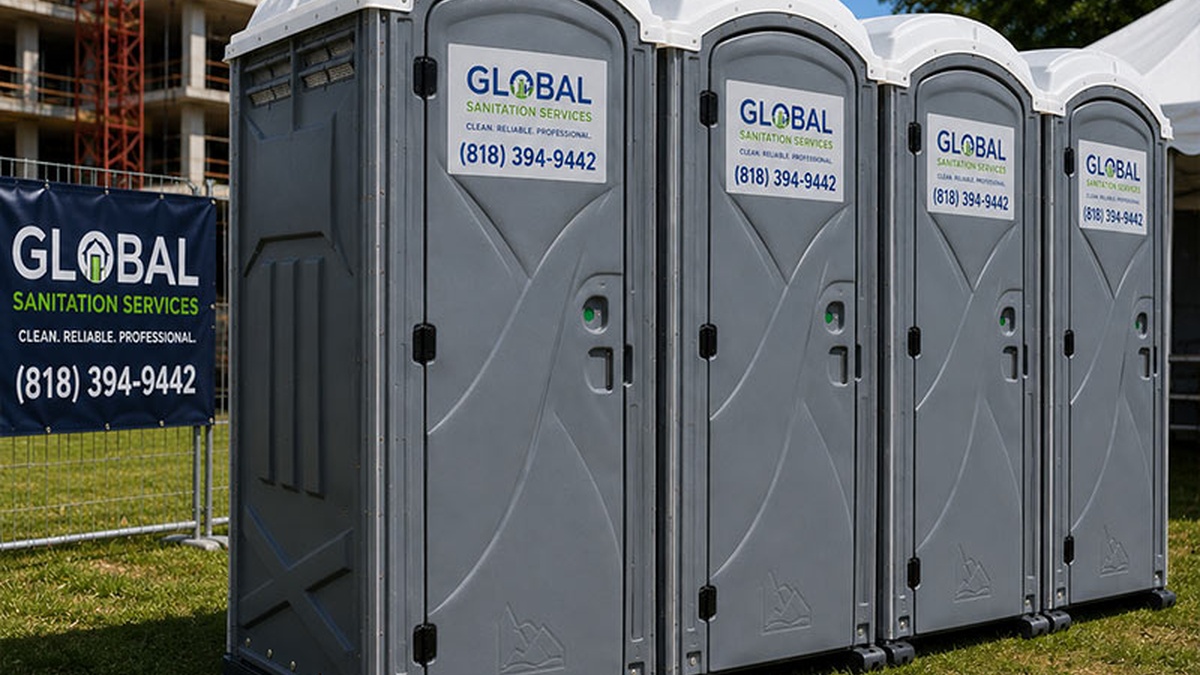
Standard portable toilets can restore basic restroom access without functioning sewer, water, or power connections. Initial quantities should be based on the best available population estimate and then reviewed once actual usage is known.
Handwashing During Utility Failure
Self-contained handwashing stations can restore soap-and-water capability when sinks are unavailable. Freshwater, wastewater, soap, and towels require active monitoring during emergency use.
Occupied Buildings and Public Users
An occupied office, apartment community, school, retail center, or public facility may require a different user experience and accessibility plan than an isolated contractor worksite.
Deluxe units or restroom trailers may be appropriate when customers, residents, or staff need temporary facilities for an extended outage.
Restroom Trailers and Utility Dependencies
Trailers can provide higher-capacity indoor-style restrooms but may themselves require power, freshwater, wastewater handling, or auxiliary support. Confirm these dependencies before choosing a trailer during an outage.
24-Hour Emergency Work
Emergency repairs often run continuously. Capacity and service frequency should account for night crews, shift overlap, and cumulative use instead of assuming a standard daytime schedule.
Transition Back to Permanent Facilities
Do not remove temporary sanitation until repaired systems have been tested, reopened, supplied, and made available to the people who relied on the temporary setup.
Confirm Capacity Before Restarting Occupied Areas
Assign a coordinator to confirm who needs facilities immediately and which buildings or work zones remain usable. Temporary toilets alone do not establish that a building is safe to occupy or work may resume; keep those decisions with the responsible owner, safety team and authorities.
Confirm the proposed restroom trailers can operate with the utilities actually available, and arrange portable sink rentals when normal washing facilities are unavailable. Keep construction-only facilities distinct from public or occupant facilities where the applicable requirements differ.
Request a project quote with the outage location, user groups, operating hours and safe delivery route. Obtain an explicit availability and delivery confirmation, then reassess service and capacity as the outage duration becomes clearer.
Common Planning Mistakes
- Deploying the first available equipment without documenting who will use it, operating hours, outage duration, accessibility needs, available space, delivery access, and which utilities are still working.
- Failing to revisit portable-toilet quantity after the initial emergency response once actual population, shift overlap, usage, and outage duration become clearer.
- Providing self-contained handwashing equipment without actively monitoring freshwater, wastewater, soap, towels, and usage during an extended outage.
- Using a contractor-only restroom plan for occupied buildings where residents, customers, students, staff, or public users have different accessibility, privacy, capacity, or user-experience needs.
- Selecting a restroom trailer during a utility outage without confirming its specific requirements for power, freshwater, wastewater handling, auxiliary tanks, generators, pumping, or other support.
Field Review Checklist
- Document every user group, largest simultaneous population, operating hours, expected outage duration, accessibility needs, outdoor placement options, delivery access, and remaining utilities.
- Set an initial portable-toilet quantity from the best available population estimate, then compare actual usage and shift patterns with capacity as the response stabilizes.
- Verify self-contained handwashing stations have sufficient freshwater, wastewater capacity, soap, towels, and a replenishment/service plan for the expected level of use.
- Separate contractor demand from resident, employee, student, customer, or public demand and confirm the temporary setup provides appropriate accessibility and user experience for each group.
- Before selecting a trailer, confirm the exact power, water, wastewater, pumping, auxiliary storage, generator, stairs or ramp, and service requirements for the available configuration.
- Include night crews, shift overlap, continuous operations, and cumulative use when setting capacity and service frequency for emergency repair work.
Frequently Asked Questions
How fast can temporary toilets be deployed?
Response time depends on location, equipment availability, safe access, and incident conditions; the project should provide clear site and contact information immediately.
What if the outage lasts longer than expected?
Reassess quantity, service frequency, equipment type, and user population as soon as the timeline changes.
Can restroom trailers operate without utilities?
Some configurations can use onboard or auxiliary systems, but requirements vary. Confirm power, water, and wastewater needs for the specific trailer.
Should occupants be counted with construction workers?
Yes if they will use the temporary facilities; consider their hours and user experience separately from the workforce.
When should temporary facilities be removed?
Only after permanent restrooms are tested, reopened, and reliably available.
Key Takeaways
- Assess safe access and user needs, confirm deployment, then reassess.
- Count every user group, not only contractors.
- Plan handwashing when permanent sinks fail.
- Verify trailer utility dependencies before deployment.
- Keep temporary facilities until permanent systems are fully restored.