How Many Portable Toilets Do You Need for a Construction Site?

Quick Answer
A practical starting point for many construction projects is one portable toilet for every 10 workers during a standard 40-hour workweek. However, the correct number depends on crew size, shift length, project duration, site layout, service frequency, and applicable workplace requirements. Larger crews, extended shifts, remote work areas, and high-traffic sites may require additional units.
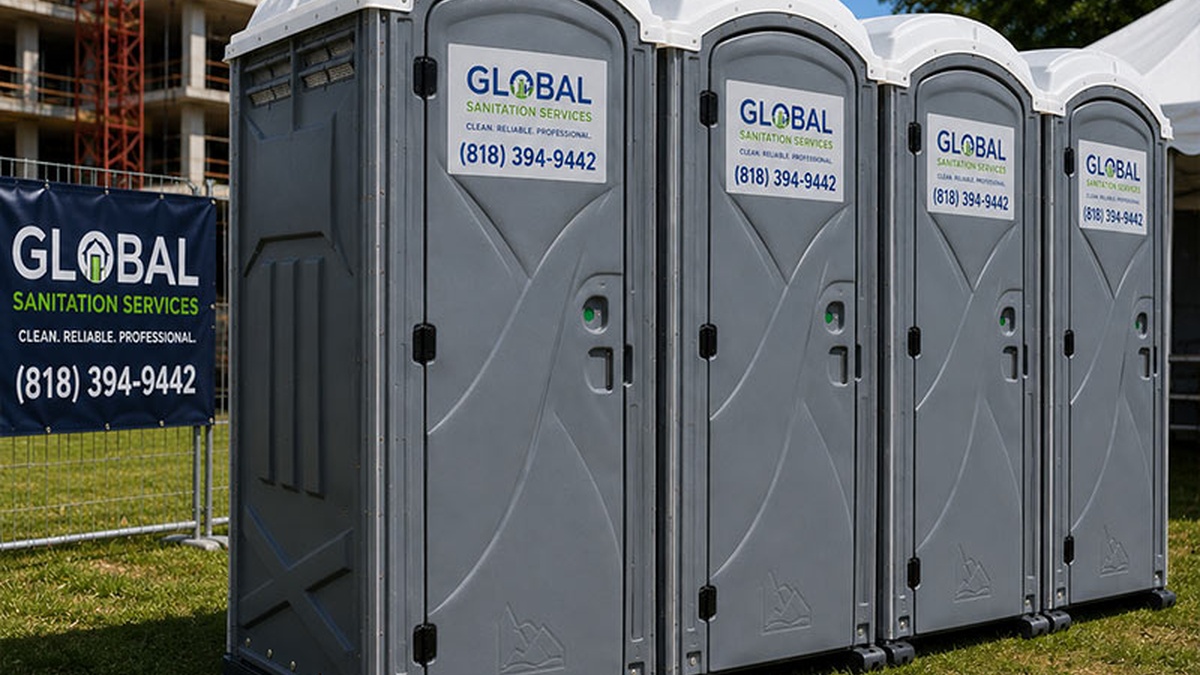
Planning the right number of construction site porta potty rentals helps reduce lines, supports worker comfort, and keeps restroom access convenient throughout the job.
Construction Porta Potty Planning Chart
The following estimates provide a simple planning baseline for a typical workweek:
- 1–10 workers: Start with 1 portable toilet
- 11–20 workers: Start with 2 portable toilets
- 21–30 workers: Start with 3 portable toilets
- 31–40 workers: Start with 4 portable toilets
- 41–50 workers: Start with 5 portable toilets
- More than 50 workers: Continue adding approximately 1 unit for each additional 10 workers
This is a general planning guide rather than a substitute for requirements that apply to a particular project. A sanitation provider can help adjust the quantity based on actual site conditions and the planned servicing schedule.
Factors That Can Change the Number of Units
Crew Size and Shift Schedule
Base the estimate on the largest number of workers expected to be present during a shift—not only the average daily headcount. If subcontractors, inspectors, delivery crews, or temporary workers regularly visit the site, include that traffic in the plan.
Long shifts and multi-shift operations increase restroom use. Sites operating evenings, weekends, or around the clock may need more units or more frequent service than a project running a conventional daytime schedule.
Project Duration
A short project with a small crew has different sanitation needs than a development lasting several months. Long-term projects should account for changes in staffing as work progresses. Reviewing the restroom plan at each major construction phase can prevent shortages when the crew expands.
Site Size and Layout
One restroom may technically serve a small crew but still be inconvenient when workers are spread across a large property. Units should be located where workers can reach them without lengthy walks while remaining accessible to service vehicles.
Large or divided sites may benefit from several smaller restroom stations instead of placing every unit in one location. Placement should also avoid active traffic lanes, unstable surfaces, and areas that could become blocked by equipment or stored materials.
Service Frequency
The number of units and the servicing schedule work together. Heavy use may call for additional cleaning, pumping, restocking, or extra toilets. When estimating service needs, consider worker count, operating hours, weather, and expected site traffic.
Should You Add Portable Handwashing Stations?
Restrooms are only one part of a jobsite sanitation plan. Portable sink rentals give workers a convenient place to wash their hands when permanent plumbing is unavailable. Place handwashing equipment near restroom areas, break areas, and other locations where workers can use it easily.
The appropriate setup depends on the work being performed and the number of people using the site. Discuss water capacity, wastewater collection, soap, paper supplies, and servicing frequency when requesting a quote.
Portable Toilet Placement Tips
- Place units on firm, level ground.
- Keep a clear route available for delivery and service vehicles.
- Position toilets close enough for convenient worker access.
- Avoid locations where doors could be blocked by materials or equipment.
- Consider separate restroom stations for large or multi-level sites.
- Secure the area when wind, traffic, or site activity creates additional risk.
- Include an accessible portable restroom when required for the project.
For projects that also need perimeter control, temporary fencing rentals can help define work zones and protect restricted areas. Coordinating sanitation and site-service rentals can simplify delivery planning.
Common Planning Mistakes to Avoid
Ordering for the Average Crew Instead of Peak Staffing
Construction staffing often changes by phase. Planning only for the current crew can leave the site short when additional trades arrive. Share the anticipated peak headcount with the rental provider.
Ignoring Visitors and Subcontractors
Anyone regularly using the jobsite may contribute to restroom demand. Include subcontractors, vendors, inspectors, and other authorized visitors when estimating usage.
Choosing an Inaccessible Service Location
Portable toilets need ongoing access for service. A unit surrounded by materials, equipment, or unfinished terrain can be difficult to maintain. Confirm that the service route will remain open as the project evolves.
Waiting Until the Crew Arrives
Schedule delivery before workers need the facilities. Early planning gives the rental team time to review quantities, placement, access, and service frequency before work intensifies.
Get a Construction Site Sanitation Quote
Global Sanitation Services provides portable restroom and site-service rental options for construction projects. The right setup begins with the expected crew size, work schedule, project duration, site layout, and service requirements.
Request a quote from Global Sanitation Services to discuss portable toilets, handwashing stations, temporary fencing, and a servicing plan tailored to your jobsite.