Site Superintendent Daily and Weekly Sanitation Checklist

A Field Routine for Keeping Restrooms Clean, Accessible, and Serviceable
A five-minute sanitation check can prevent missed service, worker complaints, and unsafe conditions. This chapter gives superintendents a simple daily and weekly operating routine.
Daily Condition Check
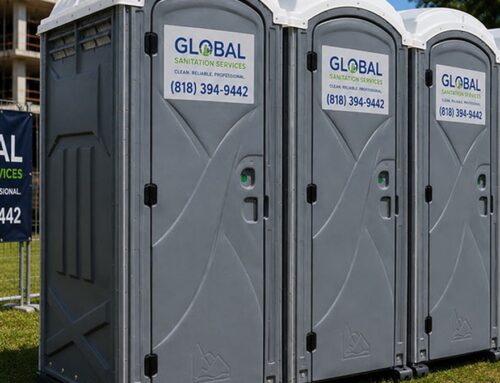
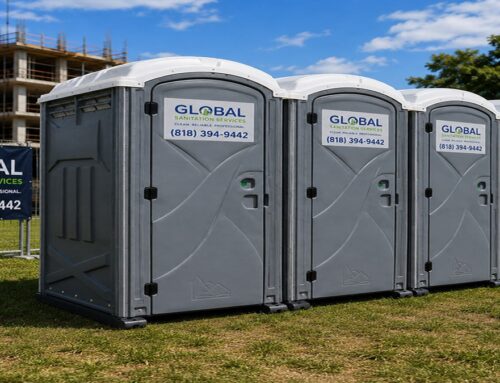
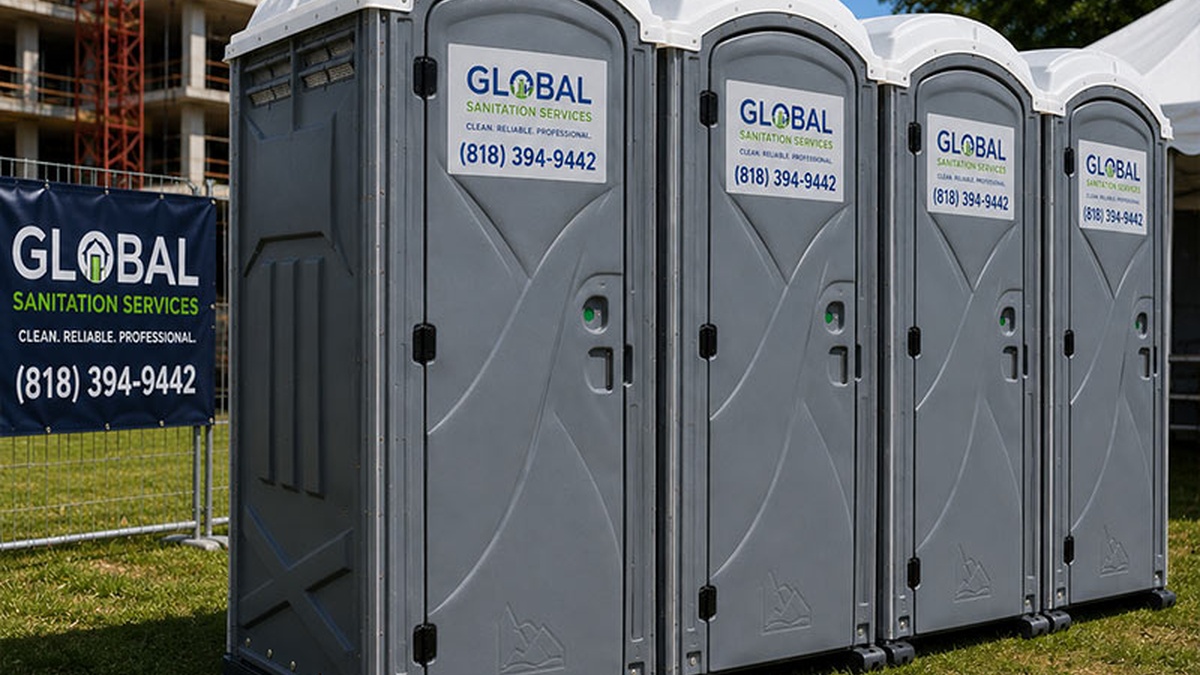
Confirm each unit is upright, stable, undamaged, and accessible. Doors should open and latch properly, and the route should be free of vehicle, material, fencing, or excavation conflicts.
Supplies and Cleanliness
Spot-check toilet paper, visible soil, odor, and signs of unusually heavy use. For handwashing stations, confirm water, soap, towels, and wastewater capacity appear adequate.
Repeated shortages should be reported as a pattern rather than treated as isolated events.
Ground and Weather Conditions
Look for mud, standing water, erosion, unstable fill, wind exposure, or flooding risk. A location that was safe yesterday can become unsuitable after a storm or grading change.
Service Access
Before scheduled service, confirm gates are open and the vacuum-truck route is not blocked by parked vehicles, deliveries, dumpsters, trenches, or concrete operations.
Weekly Workforce Review
Compare the current and upcoming manpower forecast with the sanitation plan. Include new subcontractors, overtime, weekend work, and shift changes.
Weekly Layout Review
Ask whether the active work zone moved or whether upcoming construction will block existing restroom areas. Decide whether to relocate, split, expand, or consolidate clusters.
Accessibility and Public-Use Review
Where accessible or public-facing facilities are part of the plan, confirm routes remain usable and have not been blocked by site changes.
Damage and Incident Review
Report vehicle impacts, vandalism, tip-overs, leaks, fire damage, or structural issues immediately. Restrict use if the unit appears unsafe.
Record Checks and Close Outstanding Actions
Use a short log with the restroom-bank identifier, check time, observed issue, responsible person and resolution. Distinguish a routine restocking request from an unsafe unit that must be taken out of use. Recheck an item after it is reported rather than assuming a call completed the repair.
For portable sink rentals, test normal water dispensing and check soap and drying supplies without opening waste systems. For construction site porta potty rentals, report unit-specific faults so the provider can bring the right replacement or repair materials.
Use the weekly review to compare the log with upcoming work. Consult porta potty placement guidance when a repeated access problem suggests relocation; daily checking is most useful when it leads to a recorded correction.
Common Planning Mistakes
- Relying on the scheduled service visit to reveal problems instead of visually checking restroom areas for instability, damage, blocked doors, or access conflicts during normal site walks.
- Treating repeated shortages, odor, or unusually heavy use as isolated complaints instead of evaluating whether capacity, placement, or service frequency needs adjustment.
- Leaving units in locations that have become muddy, flooded, unstable, eroded, or unusually exposed to wind after weather or grading conditions change.
- Assuming the service route will remain open even as parked equipment, deliveries, dumpsters, trenches, concrete operations, or changing gate controls affect access.
- Failing to compare restroom capacity with upcoming manpower, new subcontractors, overtime, weekend work, and shift changes before demand increases.
Field Review Checklist
- Confirm restroom units are upright, stable, undamaged, usable, and reachable without conflicts from vehicles, stored materials, fencing, or excavation.
- Spot-check toilet paper, visible cleanliness, odor, and unusually heavy use; verify handwashing stations have adequate water, soap, towels, and wastewater capacity.
- Inspect placement areas for mud, standing water, erosion, unstable fill, flooding risk, or wind exposure, especially after storms or grading changes.
- Before scheduled service, verify gates are open and service-truck routes are clear of vehicles, deliveries, dumpsters, trenches, and active construction operations.
- Compare current and upcoming manpower with available restroom capacity, including new subcontractors, overtime, weekend work, multiple shifts, and expected surges.
- Check whether active work zones have moved or upcoming construction will block restroom areas; relocate, split, expand, or consolidate clusters before conflicts develop.
Frequently Asked Questions
Does the superintendent need to inspect every unit every day?
A quick visual condition check of restroom areas is a practical routine; large sites may delegate detailed checks to field staff.
What should happen before service day?
Verify that gates and routes are open and that no equipment or materials block the units.
How often should manpower be compared with capacity?
Weekly is a good operating cadence, with extra review before known workforce surges.
What if one restroom area is always dirtier?
Investigate usage concentration, location, service frequency, or unauthorized use and adjust the plan.
Should the checklist be documented?
A simple log can improve accountability and help identify recurring issues.
Key Takeaways
- Daily checks focus on condition, supplies, access, and weather.
- Weekly checks focus on workforce, layout, upcoming work, and capacity.
- Clear service routes before scheduled visits.
- Escalate repeated shortages or odor as system issues.
- Restrict unsafe equipment and report damage immediately.